
Step 1 - Theme Options
To begin customizing your site go to Appearance -> Customizer and select Theme Options. Here's you'll find custom options to help build your site.

To begin customizing your site go to Appearance -> Customizer and select Theme Options. Here's you'll find custom options to help build your site.

To add a slider go to Theme Options -> Homepage and choose page slider. The slider will use the page title, excerpt and featured image for the slides.

To add featured content go to Theme Options -> Homepage (Featured) and turn the switch on then add the content you want for each section.
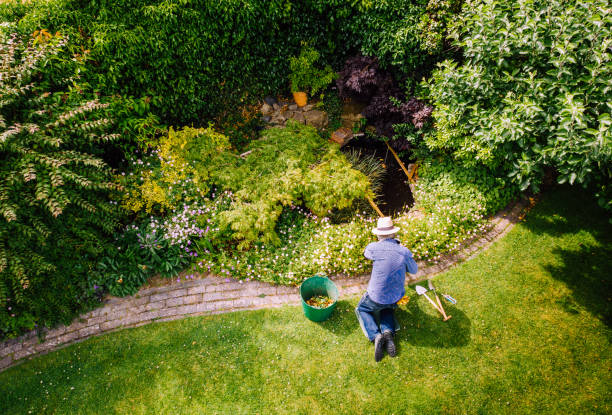
If you own or manage a landscaping business, offering a wide range of services can help you cater to diverse customer needs while increasing your revenue stream. Landscaping is not just about mowing lawns or trimming hedges—it’s an industry that thrives on creativity, innovation, and attention to detail. Below is a comprehensive list of landscaping services that you can offer to grow your business and provide exceptional solutions to your clients.
These services provide a foundation for maintaining outdoor spaces but can also act as gateways for upselling additional offerings.
Many customers look for expert guidance before making major changes to their outdoor spaces. Adding design services allows you to transform ideas into functional plans.
Hardscaping features are one of the best ways to enhance landscapes with durable features. These installations often require specialized skills but can be highly profitable ventures.
Key hardscape options include: | Service | Benefits | |——————————–|———————————————————————-| | Patio installation | Creates usable outdoor spaces for lounging or entertaining | | Walkways | Enhances accessibility while adding aesthetic appeal | | Retaining walls | Ensures soil stability on slopes; doubles as decorative features | | Driveways | Improves curb appeal with functional use | | Outdoor kitchens | Perfect additions for modern outdoor living |
These projects tend to attract high-value clients who are willing to invest in long-term solutions.
Integrating these elements not only boosts property value but also creates memorable environments tailored specifically for your customers’ lifestyles.
Creating tiered packages allows customers flexibility while ensuring consistent income streams for your business.
Offering environmentally conscious options appeals especially well to eco-minded homeowners seeking sustainable ways of beautifying their property.
By expanding your service offerings strategically across these categories, you position yourself as an all-in-one solution provider in the competitive world of landscaping businesses—ensuring customer satisfaction while growing profitability through varied income streams.
A landscaping company has the potential to provide a wide variety of professional services that cater to diverse customer needs. Offering an extensive range of landscaping services can help attract a broader audience and establish your company as a reliable, one-stop solution for outdoor transformation projects. Below is an overview of top landscaping services that you can include in your portfolio.
| Hardscaping Options | Purpose/Benefit |
| Patios | Provides outdoor seating or entertainment areas |
| Walkways | Connects different sections of the property |
| Retaining Walls | Prevents soil erosion; creates levels |
| Fire Pits | Adds warmth; extends usability during cooler seasons |
Adding these elevates not just visual interest but also customer satisfaction.
1) Spring cleanup: Removing leaves/debris accumulated during winter
2) Fall preparations: Pruning bushes before frost arrives
By offering versatile packages covering all aspects under “professional” umbrella professionalism becomes clear
Effective planning and design services are the cornerstone of creating stunning, functional outdoor spaces that meet the unique needs of homeowners and businesses. As a professional landscaping company, offering comprehensive consultation and design services not only sets you apart but also ensures lasting satisfaction for your customers. Let’s delve into how these services can transform outdoor spaces while adding value to your business.
| Feature | Purpose | Example Materials/Plants |
| Pathways | Define movement areas | Natural stone, gravel, pavers |
| Retaining Walls | Prevent soil erosion | Concrete blocks, timber |
| Outdoor Lighting | Enhance nighttime aesthetics | LED fixtures |
| Water Features | Create tranquility | Fountains, koi ponds |
| Garden Beds | Add vibrant color | Perennials such as roses or tulips |
By offering expert consultation paired with innovative designs tailored to individual customer needs, landscaping companies can deliver exceptional results while solidifying their reputation in the industry.
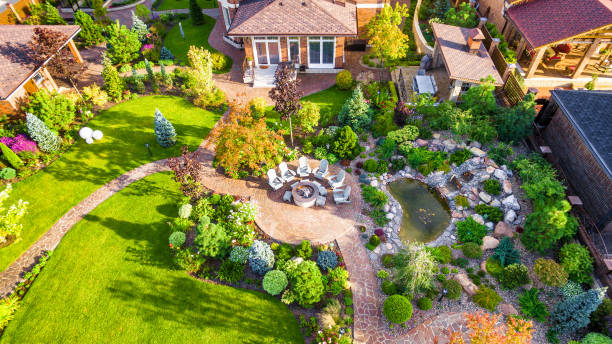
When it comes to landscaping, the installation phase is where a vision truly starts transforming into reality. Offering a comprehensive range of installation services allows your business to cater to the diverse needs of customers, ensuring their dream outdoor spaces come to life. Below is a detailed breakdown of landscaping installation services every professional company should consider offering.
Planting is one of the foundational elements of any landscape. Proper selection, preparation, and planting techniques are crucial for long-term success.
Hardscape elements provide functionality and aesthetic appeal to outdoor spaces. This area often requires expertise in design, materials, and construction.
| Hardscape Feature | Common Materials | Primary Function |
| Patios | Pavers, stone, concrete | Outdoor living/entertaining space |
| Walkways | Flagstone, gravel | Accessibility/visual flow |
| Retaining Walls | Concrete blocks, natural stone | Erosion control/support |
Water features act as calming focal points that elevate landscapes. Including these installations in your service offerings can add significant value for clients.
By offering a blend of planting services alongside hardscaping, water features, irrigation systems, outdoor lighting setups, and custom enhancements like pergolas or fire pits, your landscaping business positions itself as an all-in-one solution provider capable of handling projects from start to finish with professionalism.
Incorporating enhancement features into landscaping designs can elevate outdoor spaces by creating a sense of luxury, functionality, and beauty. These additions not only improve the aesthetic appeal of a property but can also add value and create an inviting atmosphere. Below are some popular enhancement features that can be integrated into landscapes, along with the benefits they offer.
Water features create a calming ambiance and serve as stunning focal points in a landscape. They can range from simple to elaborate designs, catering to various client preferences.
Popular options include: – Fountains: Add an elegant touch with cascading water. – Ponds: Create a tranquil environment with aquatic plants and fish. – Waterfalls: Bring movement and sound for added sensory appeal. – Streams: Mimic natural waterways to enhance organic designs.
Benefits of water features: | Pros | Details | |—————————–|———————————————-| | Relaxation | Flowing water promotes calmness and reduces stress. | | Wildlife Attraction | Helps attract birds, butterflies, and other fauna. | | Aesthetic Appeal | Enhances visual interest in any outdoor space. |
Fire elements introduce warmth and functionality while making outdoor areas usable year-round. These features are perfect for entertaining or simply enjoying quiet evenings outdoors.
Types of fire features: – Fire Pits: A versatile option suitable for homes of all sizes. – Outdoor Fireplaces: Provide a sophisticated touch while acting as a gathering point. – Fire Bowls: Compact bowls that deliver heat and ambiance without taking up much space. – Tiki Torches or Lanterns: Perfect for accent lighting while adding charm.
Advantages of fire features: 1. Extend outdoor usability during colder months. 2. Serve as dramatic design statements. 3. Foster social connections by creating cozy gathering spots.
Outdoor lighting doesn’t just enhance visibility; it highlights architectural elements, provides safety, and sets the mood after sunset.
Consider these lighting options: – Pathway lights to guide visitors safely through walkways or gardens. – Uplighting to accentuate trees or shrubs. – String lights for casual yet stylish backyard gatherings. – LED color-changing lights to match seasonal themes.
Integrating hardscape elements like pergolas, gazebos, or retaining walls brings additional structure to landscaping projects.
Examples include: – Walkways with natural stone or pavers for elegance. – Pergolas or gazebos offering shade and comfort during warm weather. – Retaining walls that provide functionality while beautifying sloped areas.
To make landscapes truly unique, consider bespoke enhancements tailored to client preferences: 1. Outdoor kitchens for entertaining enthusiasts. 2. Vertical gardens for limited spaces or modern aesthetics. 3. Sculptures or art installations as signature pieces in large gardens.
When planning enhancement features, it’s essential to balance creativity with practicality while understanding the client’s vision and budget constraints. Thoughtful additions not only transform outdoor spaces but also improve their usability year-round.
Effective marketing is essential for any landscaping company aiming to attract new customers and grow its business. By implementing a strategic mix of online and offline tactics, your landscaping business can generate more leads, convert prospects into loyal customers, and build long-term success. Below are actionable marketing strategies to help you boost your visibility and customer base.
A strong online presence is non-negotiable in today’s competitive market. Customers often begin their search for landscaping services online, making it critical to position your business where they are looking.
With millions of active users daily, social media platforms present an affordable way to connect with potential customers.
Email marketing is an effective way to stay connected with existing clients while nurturing leads over time.
Building relationships within your community can lead directly to referrals.
| Promotion Type | Description |
| First-Time Discounts | Attract new clients with discounted rates |
| Referral Rewards | Reward current clients for successful referrals |
| Bundle Packages | Combine multiple services at reduced rates |
Loyalty programs that reward regular clients (e.g., free maintenance after five visits) also encourage long-term retention.
| Strategy | Benefits |
| Professional Website | Builds credibility |
| SEO Optimization | Increases online visibility |
| Social Media Engagement | Reaches wider audience |
| Local Networking | Drives referrals |
| Promotions & Loyalty Offers | Encourages customer retention |
Implementing these strategies will help position your landscaping company as the go-to provider in your area while ensuring sustainable business growth over time.
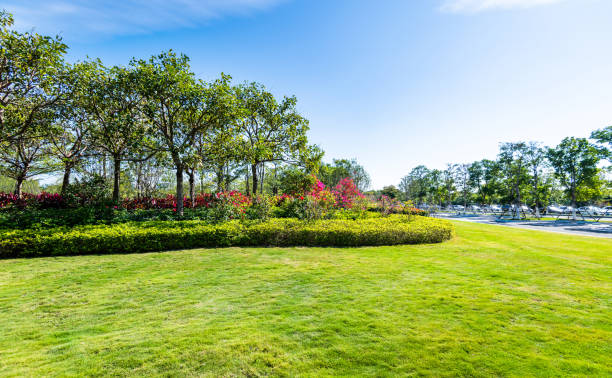
Choosing the right landscaping company is crucial for maintaining and enhancing your outdoor space. With so many options available, finding a company that aligns with your needs can feel overwhelming.
Before contacting landscaping companies, clarify what you want to achieve. Identifying your goals will help narrow down potential candidates and ensure you find a team experienced in the services you need.
– Type of Project: Are you looking for regular lawn maintenance, a garden redesign, or hardscaping features such as patios or pathways?
– Budget: Establish a clear budget for your project to avoid unexpected costs.
– Timeline: Determine if there are deadlines or seasonal considerations for completing the work.
Not all landscaping companies offer the same services or level of expertise. Spend time researching local businesses to identify qualified professionals who match your specific needs.
1.Browsing Online Reviews– Read customer reviews on platforms such as Google, Yelp, or Better Business Bureau to gauge reputation and reliability.
2.Checking Portfolios– Look at photos of past projects on their website or social media profiles to evaluate their style and capabilities.
3.Exploring Services Offered– Some companies specialize in design, while others focus on maintenance or installation; make sure their offerings align with your project requirements.
The right landscaping company should have proper credentials that demonstrate expertise and professionalism:
– Licensing: Verify if the company holds applicable licenses required in your area.Insurance Coverage: Ensure they carry liability insurance to protect against potential damages during the project.Certifications: Look for certifications from recognized organizations like the National Association of Landscape Professionals (NALP). These indicate adherence to industry standards.
Once you’ve shortlisted potential providers, schedule consultations before making a final decision. This step allows you to evaluate their professionalism firsthand while discussing project specifics like costs, timelines, and materials.
Prepare questions such as: – What is your experience with similar projects? – Can you provide references from past clients? – Do you offer warranties on installations or plants?
Request detailed estimates from multiple companies so that you can compare prices fairly: | Company Name | Estimated Cost | Included Services | Estimated Timeline | |————–|—————-|——————-|——————–| | Company A | $2,500 | Lawn care + Hardscaping | 3 weeks | | Company B | $2,800 | Design + Planting | 4 weeks |
Ensure each quote itemizes labor costs, materials, and any additional fees so there are no surprises later.
A good professional relationship is built on trust and communication. Choose a landscaping company that listens carefully to your vision while offering expert guidance tailored to your property’s unique requirements.
By following these steps thoughtfully, you’ll increase your chances of finding a reliable partner who can bring life to your outdoor spaces effectively—saving both time and money in the process while ensuring quality results tailored perfectly to meet expectations.
A professionally landscaped property not only enhances curb appeal but also provides long-term functional and financial benefits. Whether you’re a homeowner or manage commercial properties, hiring a professional landscaping company can elevate the appearance and value of your outdoor space. Below are the key benefits of working with experts in the landscaping industry.
Professional landscaping companies employ skilled teams with years of experience in designing, maintaining, and enhancing outdoor spaces. They understand the complexities of various soil types, climate conditions, and plant species. This allows them to create sustainable designs that thrive in your specific environment.
Key benefits of their expertise include:
– Tailored designs that align with your aesthetic preferences.
– Solutions for preventing soil erosion and managing drainage issues.
– Knowledge of drought-tolerant plants for water conservation.
Landscaping requires time-intensive planning, planting, maintenance, and seasonal adjustments. By hiring professionals, you save hours spent on these labor-intensive tasks while ensuring consistent care for your property.
Tasks they handle efficiently:
– Lawn mowing and edging.
– Seasonal planting and weeding.
– Tree trimming and shrub maintenance.
This frees up your schedule for other priorities while ensuring your property remains visually appealing year-round.
Professional landscapers have access to high-grade tools, machinery, and materials that may be cost-prohibitive for individual homeowners or businesses to purchase or rent regularly. These tools improve efficiency while ensuring precision work.
Examples include:
| Equipment | Benefits | Examples |
|———————-|————————————-|——————————|
| Commercial mowers | Faster lawn care | Zero-turn mowers |
| Irrigation systems | Efficient water distribution | Smart sprinklers |
| Hardscape tools | Durable constructions | Concrete mixers |
Additionally, they source high-quality plants, mulch, stones, and fertilizers directly from trusted suppliers at competitive rates.
A well-maintained landscape boosts curb appeal significantly—an essential factor whether you’re planning to sell a property or simply increase its perceived value. Studies show that homes with thoughtfully designed landscapes can see an increase in overall market value by up to 15%.
Ways professional landscaping adds value: – Creating functional outdoor spaces like patios or walkways. – Installing features such as fountains or retaining walls. – Ensuring proper grading to prevent water damage around structures.
Many professional landscapers now employ eco-friendly practices to reduce environmental impact while supporting biodiversity on your property. These practices benefit both the local ecosystem and your long-term costs by reducing wasteful energy usage or excessive resource consumption.
Sustainable services often include:
– Installation of native plants that require less water. – Use of organic fertilizers over chemical alternatives. – Implementation of efficient irrigation systems like drip irrigation.
Research has shown that green spaces promote mental well-being by reducing stress levels while improving mood and focus. A professionally landscaped yard creates an inviting environment where you can relax after a busy day or entertain guests comfortably amid natural beauty.
By delegating landscaping tasks to professionals who excel at creating stunning outdoor environments tailored specifically for their clients’ needs, you can enjoy both peace of mind today as well as increased returns on investments tomorrow—all without sacrificing valuable personal time or resources.
When hiring a landscaping company, ensuring their team is properly insured is a critical step that can save you from potential financial and legal troubles. Verifying insurance protects not only the landscapers but also you as the property owner. Here’s how you can confirm that the company you’re hiring is adequately insured.
Having insurance demonstrates professionalism and accountability.
– You are protected from liability if an accident occurs on your property, such as injuries to workers or damage to your belongings.
– The landscaping company is committed to operating responsibly and safeguarding their employees and clients.
– Any unexpected mishaps, such as property damage caused by equipment or poor workmanship, are covered under relevant policies.
| Type of Coverage | Purpose | Recommended Limit |
| General Liability | Protects against accidental property damage | Minimum $1 million |
| Workers’ Compensation | Covers employee injuries | Varies by state law |
| Commercial Vehicle | Protects vehicles used during projects | As required per vehicle |
| Errors & Omissions | Covers professional mistakes | Optional but beneficial |
By taking these precautions when verifying a landscaper’s insurance credentials, you safeguard both your investment and peace of mind throughout any landscaping project.
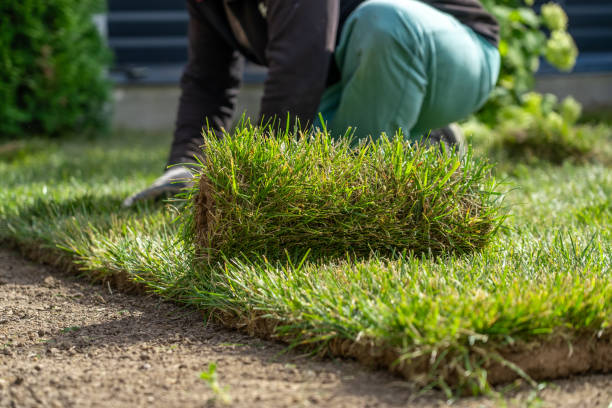
When searching for the right landscaping company, it is vital to assess their online presence. In today’s digital era, a company’s website and social media profiles can provide valuable insights into their professionalism, expertise, and reputation. Here’s why and how you should evaluate a landscaping company’s online presence to make an informed decision.
| Feature | What to Look For |
| Website Design | Clean layout, ease of navigation, mobile-friendly design |
| Portfolio | Quality photos/videos showcasing diverse projects |
| Service Descriptions | Clear explanation of services offered |
| Certifications/Accreditations | Proof of licensing or affiliations with professional associations |
| Customer Reviews | Mostly positive reviews with specific details |
| Social Media Engagement | Regular posts, interaction with followers |
By thoroughly evaluating a landscaping company’s online presence using these criteria, you can better understand who they are as a business and ensure they align with your expectations. This research process saves time while helping you avoid potential pitfalls associated with unreliable contractors.
In today’s digital era, a company’s online presence tells a lot about its professionalism, reputation, and quality of services. This is especially true when selecting a landscaping company to bring your outdoor vision to life. Reviewing their online platforms can provide insights that go beyond what you might get from traditional advertising or even word-of-mouth recommendations.
| Feature | What to Look For |
| Website | A professional and user-friendly design with detailed service descriptions |
| Portfolio/Project Images | High-quality photos of past projects that reflect creativity and attention to detail |
| Social Media Activity | Regularly updated pages showcasing work, tips, or customer interactions |
| Customer Reviews | Positive feedback on review platforms along with responses to negative comments |
| Certifications & Awards | Proof of industry recognition or accreditations that validate expertise |
By carefully analyzing an organization’s online presence before making a decision, you’ll improve your chances of hiring a reliable and skilled team capable of delivering exceptional results tailored specifically for your needs.
Finding a reliable landscaping team can make a significant difference in the quality of your outdoor space. While online reviews and research are helpful, personal referrals and recommendations often provide the most trustworthy insights. Here’s how you can effectively ask for referrals and recommendations to ensure you hire a landscaping team that meets your expectations.
These questions help ensure that the recommendation aligns with your specific needs.
| Key Aspects | Questions to Ask References | Outcome |
| Quality of Work | Was the final result up to your satisfaction? | Helps assess skill level |
| Communication | Were they responsive and clear in explaining processes? | Indicates professionalism |
| Timeliness | Was your project completed on schedule? | Evaluates reliability |
| Budget Management | Did costs align with initial estimates? | Ensures transparency |
Referrals and recommendations offer invaluable insights into choosing a trustworthy landscaping service provider. By asking targeted questions and combining word-of-mouth guidance with independent research, you’ll be better equipped to make an informed decision that leads to exceptional results for your outdoor spaces.
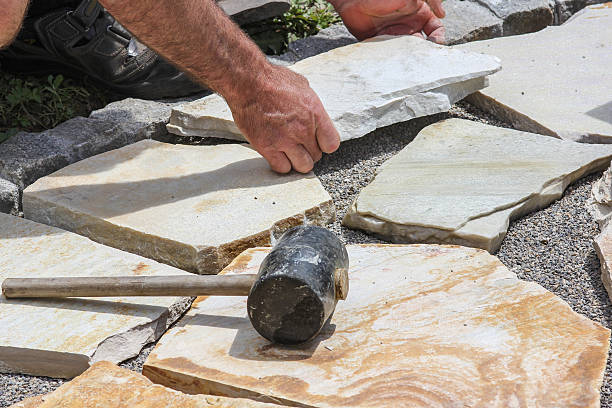
Aeration is a critical yet often overlooked aspect of lawn care. By understanding what aeration is and why it matters, homeowners can ensure their lawns stay lush, healthy, and resilient throughout the year.
This procedure helps to alleviate soil compaction, which can occur over time due to activities like walking, mowing, or natural settling.
Compacted soil restricts root growth by preventing access to crucial elements such as oxygen and water. Aeration combats this issue by providing the roots with space to expand and thrive.
| Type | Description | Best For |
| Core/Punching | Removes small plugs of soil from the ground | Heavily compacted soils |
| Spike/Spiking | Uses solid tines or spikes to create holes without removing soil | Loosely compacted or sandy soils |
Core aerators are generally more effective because they relieve compaction while also promoting airflow through removed plugs.
For those seeking long-term health improvements in their landscape, professional assistance offers convenience alongside expertise.
By incorporating regular aeration into your lawn care routine, you’ll create an environment where grass can truly flourish—thriving with all the resources it needs for robust growth year-round.
A healthy, vibrant lawn is the result of consistent care and attention, and fertilization plays a significant role in ensuring your grass thrives. Proper fertilization provides essential nutrients that promote strong root systems, lush growth, and improved resistance to pests and diseases. Below is a detailed guide to understanding how balanced fertilization can transform your lawn into a green oasis.
Without these nutrients in the appropriate ratios, lawns can become patchy, susceptible to weeds or pests, or lose their rich color.
A lawn fertilizer’s nutrient composition is represented by its N-P-K ratio.
| N-P-K Ratio | Purpose |
| 10-10-10 | General-purpose fertilization |
| 20-0-10 | High nitrogen for greener grass |
| 5-10-15 | Boosts root health and stress defense |
Selecting the right blend depends on factors such as soil type, grass species, seasonal requirements, and overall lawn goals.
Timing matters when fertilizing your lawn.
Organic Fertilizers
– Derived from natural sources like compost or manure.
– Release nutrients slowly over time. – Improve soil structure while feeding beneficial microorganisms.
Synthetic Fertilizers
– Formulated for faster nutrient absorption by plants. – Provide immediate results in terms of color and growth. – May require careful handling to avoid overapplication.
Avoid these common errors that may undermine your efforts:
1. Over-fertilizing – Leads to excessive growth that’s susceptible to pests or diseases. 2. Applying at the wrong time – Reduces nutrient uptake efficiency. 3. Ignoring watering – Failing to water after application risks burning the grass blades.
By taking a thoughtful approach to balanced fertilization—starting with soil analysis and ending with precise application—you’ll set your lawn on a path toward sustained health year-round.
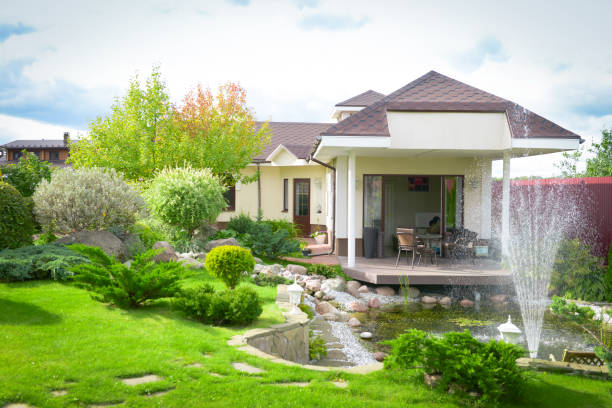
Maintaining a healthy, vibrant lawn requires consistent care throughout the year. However, the frequency of mowing varies for each season depending on grass growth patterns and weather conditions. Below is a comprehensive guide to help you determine how often to mow during spring, summer, and fall, along with helpful tips to keep your lawn in top shape.
Spring is a period of rapid growth for most lawns as temperatures rise and rainfall increases. Proper mowing during this season sets the foundation for your lawn’s health throughout the year.
Summer brings increased heat and potential drought conditions that can stress your lawn, so adjusting your mowing habits is crucial during this time.
As temperatures cool down in fall, most lawns experience slowed but steady growth before entering dormancy. Proper care during this period prepares your yard for winter.
By tailoring your mowing schedule and practices based on seasonal needs, you can achieve a greener, healthier lawn year-round while minimizing stress on both you and your yard!
Maintaining a healthy and vibrant lawn requires adjusting your mowing schedule based on seasonal changes. Factors such as grass growth rates, weather conditions, and specific grass types directly affect how often you should mow. Below is a detailed guide to help you determine the optimal mowing frequency for each season.
Spring is a crucial time for lawn care as grass enters its active growth phase. Proper mowing during this period encourages strong root development and prepares the lawn for the warmer months ahead.
During summer, lawns are often exposed to high heat and limited rainfall, making it essential to adjust mowing practices to avoid placing unnecessary stress on your grass.
As temperatures start to drop in fall, grass will slow its growth in preparation for dormancy. This season provides an opportunity for final care that strengthens roots and keeps weeds at bay.
| Season | Frequency Range | Recommended Grass Height |
| Spring | Every 5–7 days | Cool-season: ~2.5–3 in |
| Summer | Every 7–10 days | Warm-season: ~1–4 in |
| Fall | Every 10–14 days | ~2.5 inches |
By tailoring your approach based on seasonal needs and adhering to best practices, you can promote healthier turf while maintaining an aesthetically pleasing landscape throughout the year.
Proper lawn care involves understanding how often to mow your lawn based on seasonal changes. Mowing frequency plays a crucial role in maintaining healthy grass, promoting growth, and preventing common lawn diseases. Below is a guide to help you determine the best mowing schedule for spring, summer, and fall to achieve optimal results.
Spring is a season of active growth for most grass types due to warmer temperatures and increased rainfall. However, mowing too frequently or cutting the grass too short can stress the lawn during this key growth period.
Key Tips for Spring Lawn Mowing: – Frequency: Mow every 1–2 weeks depending on the growth rate of your grass. – Height: Maintain a cutting height of 2.5–3 inches for cool-season grasses and 1–2 inches for warm-season grasses. – Best Practices: – Follow the “one-third rule”—never remove more than one-third of the grass blade in a single mowing session. – Sharpen mower blades before the season starts to avoid tearing or uneven cuts.
| Grass Type | Recommended Height | Mowing Frequency |
| Cool-Season Grasses | 2.5–3 inches | Every 1–1.5 weeks |
| Warm-Season Grasses | 1–2 inches | Every 1–2 weeks |
Summer presents unique challenges such as heat stress and drought conditions that can affect grass health if not properly managed. Adjusting your mowing schedule during this time can help protect your lawn while ensuring its long-term vitality.
Key Tips for Summer Lawn Mowing: – Frequency: Reduce mowing frequency to once every two weeks or as needed based on slower growth rates in hotter climates. – Height: Raise mower blades slightly higher—around 3 inches or more—to provide shade for the soil and retain moisture. – Best Practices: – Avoid mowing during extreme heat or drought; instead, mow early morning or late evening when temperatures are cooler. – Leave clippings on the lawn (mulching) as natural fertilizer to conserve nutrients.
Fall is a critical time to prepare your lawn for winter dormancy while encouraging deep root development. Grass tends to grow more actively again due to cooler weather and frequent rainfall.
Key Tips for Fall Lawn Mowing: – Frequency: Resume weekly mowing as growth picks up in early fall; reduce frequency toward late fall as temperatures drop. – Height: Gradually lower mowing height (but don’t scalp) before winter—around 2–2.5 inches is ideal depending on grass type. – Best Practices: – Rake fallen leaves frequently before each mow to prevent smothering grass beneath debris. – Perform overseeding if necessary after aerating your lawn.
By tailoring your approach each season and following best practices consistently throughout the year, you’ll promote healthy grass growth and maintain an aesthetically pleasing landscape at all times.
Selecting the right lawn mower plays a crucial role in simplifying your lawn care routine while ensuring your yard remains well-groomed and healthy. With advancements in technology, modern mowers are designed to not only improve efficiency but also enhance user experience.
Investing in a high-quality lawn mower has several advantages, including:
– Time Savings: Modern mowers offer faster cutting speeds and wider cutting decks, allowing you to finish mowing quickly.
– Improved Cut Quality: Advanced models ensure even trimming for a polished look across your landscape.
– Enhanced Durability: High-end mowers are built with superior materials that require fewer repairs or replacements over time.
– Eco-Friendly Options: Many newer models, such as electric or battery-powered mowers, produce fewer emissions compared to traditional gas-powered alternatives.
| Feature | Benefits |
| Engine Type | Matches power output with yard size and personal preference |
| Adjustable Cutting Heights | Adapts mowing height based on grass species |
| Ergonomic Design | Reduces fatigue during extended mowing sessions |
| Self-Propulsion | Minimizes physical effort |
| Mulching Capability | Enhances eco-conscious landscaping practices |
A well-maintained mower not only extends its lifespan but also consistently delivers top-notch performance whenever needed.
Choosing an efficient lawn mower tailored to your landscaping needs can transform tedious tasks into enjoyable experiences. By investing in modern equipment with advanced features, you’ll save time, reduce effort, and achieve professional-grade results—all while maintaining a healthy and attractive yard year-round.
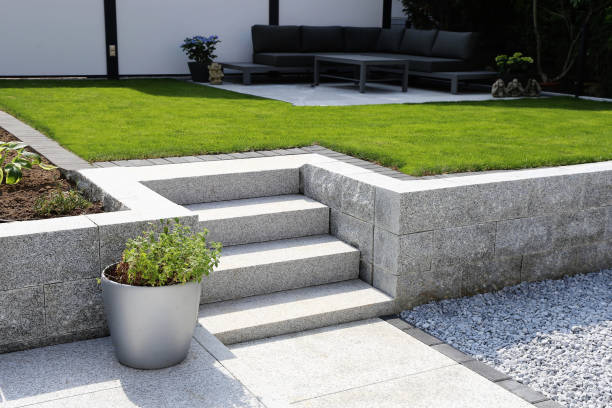
Selecting the right lawn mower is a crucial decision for maintaining a well-kept and healthy yard. With various types of lawn mowers available, each catering to different needs, it’s essential to make an informed choice. Here are the key factors to consider when choosing the perfect lawn mower for your landscaping requirements.
The cutting width determines how much grass the mower cuts in a single pass.
| Cutting Width | Best For | |———————|———————————–| | Less than 20 inches | Small spaces and narrow areas | | 20-22 inches | Standard residential yards | | Over 22 inches | Large properties requiring fewer passes |
Different grass types thrive at different heights, so adjustable deck settings are important for maintaining optimal growth: – Bermuda Grass: Best kept at a height of about 1–2 inches. – Kentucky Bluegrass: Typically maintained at around 2–3 inches. – Fescue Grass: Grows best when cut between 3–4 inches tall.
Look for mowers with easy-to-adjust levers that allow you to modify deck height quickly.
Consider ergonomic designs that make lawn mowing less labor-intensive: – Handlebar Comfort: Padded or adjustable handlebars reduce hand fatigue during extended mowing sessions. – Weight: Lightweight models improve maneuverability, especially in tight spaces. – Storage Features: Foldable handles make it easier to store in compact spaces.
Investing in a durable mower ensures long-term performance: – Choose models with rust-resistant steel decks or heavy-duty plastic casings. – Check customer reviews regarding durability before making your purchase.
By carefully assessing these factors and matching them with your specific landscaping needs, you’ll select a lawn mower that saves time, enhances efficiency, and keeps your yard looking pristine all year round.
Achieving a healthy, vibrant lawn requires more than just periodic mowing or occasional watering. Tailoring your lawn care and maintenance schedules to the changing seasons ensures that your landscape remains lush and thriving throughout the year. With expert tips and a proper understanding of seasonal requirements, you can enhance your landscape while preserving its beauty.
| Task | Frequency |
| Mowing | Every 5-7 days |
| Fertilizing | Once in early spring |
| Aerating | Once in late spring |
| Weed Control | Regular as needed |
Summer brings hotter temperatures and potential drought conditions, making it crucial to adjust your lawn care routine accordingly.
| Task | Frequency |
| Mowing | Every 7 days |
| Watering | Weekly (as needed) |
| Pest/Disease Checks | Weekly |
Fall is an ideal time to prepare your lawn for winter while encouraging healthy growth before dormancy sets in.
| Task | Frequency |
| Overseeding | Early fall |
| Fertilizing | Once in mid-fall |
| Leaf Removal | Weekly or as needed |
Adopting tailored seasonal maintenance schedules ensures continuous improvement in your lawn’s health, appearance, and resilience. By investing time into aerating, fertilizing, watering wisely, adjusting mower settings, and addressing concerns like pests or disease at appropriate intervals throughout spring, summer, and fall—you can achieve an attractive landscape all year round.
A beautifully landscaped yard is not only a source of pride but also an investment in your property. Year-round care is essential to maintain its health and aesthetic appeal. Whether you’re a DIY enthusiast or rely on professional landscaping services, having a clear plan for each season will help you achieve the yard of your dreams. Below, you’ll find actionable tips and best practices for keeping your landscape in top shape throughout the year.
| Tool/Equipment | Purpose |
| Lawn Mower | Regular mowing ensures even growth |
| Pruning Shears | Trim shrubs and small plants |
| Garden Rake | Manage leaves and debris |
| Soil Aerator | Improve root access to nutrients |
| Sprinkler or Irrigation System | Maintain consistent watering |
By committing to year-round maintenance practices: 1. You’ll enjoy healthier plants with fewer disease outbreaks. 2. Your outdoor space will remain vibrant during peak seasons while staying resilient during challenging weather conditions. 3. A well-maintained lawn increases curb appeal—a major advantage if you decide to sell your property.
Investing time into understanding seasonal needs not only keeps your yard looking its best but also saves money on expensive corrective measures down the road.
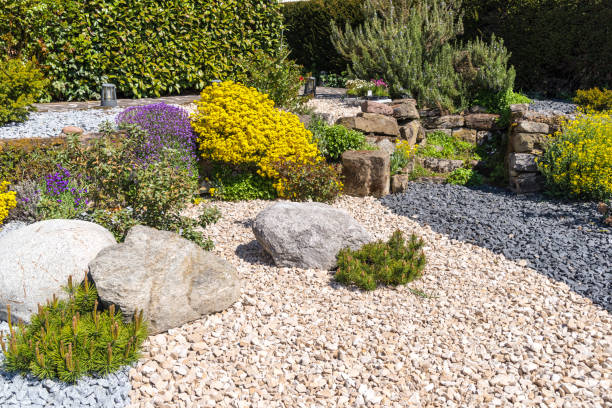
Choosing the right landscaping company can significantly impact the beauty, functionality, and value of your property. With numerous options available, finding a company that aligns with your specific needs and preferences requires careful thought and research. Here’s how you can simplify the process and ensure you partner with the ideal professionals.
Before beginning your search for a landscaping company, clarify what you want to achieve with your outdoor space. Consider:
– Aesthetic Preferences: Do you prefer a minimalist modern design or a lush, natural look?
– Functional Requirements: Are you looking for a space tailored for entertaining guests, a child-friendly yard, or an area for gardening?
– Budget Constraints: Define how much you’re willing to spend on design, installation, and maintenance services.
Being clear on these factors will help narrow down your options.
Once you’ve identified your goals, it’s time to research landscaping companies. Below are some key steps:
– Read Online Reviews: Platforms such as Google Reviews and Yelp provide insights into past client experiences. Look for consistent patterns in feedback rather than isolated incidents. – Ask for Referrals: Friends, family members, or neighbors who have beautifully landscaped properties can recommend trusted companies. – Check Portfolios: Visit the company’s website or social media channels to view examples of their previous projects. – Verify Credentials: Ensure the company is licensed, insured, and certified by professional organizations in landscaping or horticulture.
Schedule consultations with at least three companies to compare services and expertise. During these meetings, ask questions like:
1. What is your experience working on projects similar to mine?
2. Can you provide references from past clients?
3. What materials and plants do you recommend based on my climate?
4. Do you offer ongoing maintenance services after installation?
After consultations, request written proposals that outline costs, timelines, materials used, and other important details. Use these proposals to evaluate:
| Factor | Things To Consider |
|————————|—————————————————–|
| Pricing | Is it transparent with no hidden fees? |
| Timeline | Does it align with your schedule needs? |
| Warranty/Guarantees | Are there warranties offered on plants or features? |
The best landscaping companies prioritize communication throughout every phase of the project—designing plans collaboratively while addressing concerns promptly.
By following these steps diligently when selecting a landscaping company tailored around personal preferences ensures enhanced outcomes making yr landscape reflects true vision instead generic ideas
When it comes to creating a stunning and functional outdoor space, working with a professional landscape designer can make all the difference. Whether you’re planning a complete yard transformation or simply want to enhance specific elements of your property, their expertise can help you achieve exceptional results tailored to your vision. Below are some key benefits of collaborating with a professional landscape designer.
A professional landscape designer brings years of training and experience to the table. They understand the complexities of outdoor spaces, including:
– Site Analysis: Assessing your property’s unique conditions like soil quality, sunlight exposure, existing vegetation, and drainage needs.
– Tailored Designs: Creating plans that align with your preferences while considering practical aspects such as maintenance requirements and long-term durability.
– Maximizing Space: Designing layouts that optimize both aesthetic appeal and functionality for small or large areas alike.
By leveraging their expertise, you can avoid common mistakes such as overcrowding plants or choosing materials unsuitable for your local environment.
While hiring a landscape designer may initially seem like an added expense, it often saves money in the long run. Professional designers help you:
1. Allocate resources effectively by recommending high-quality, cost-efficient materials.
2. Avoid costly errors during installation by ensuring accurate measurements and planning.
3. Prioritize features based on your budget to achieve maximum impact without overspending.
Their guidance ensures that every dollar you invest yields meaningful results.
Landscape designers have established relationships with nurseries, contractors, and suppliers. This means they can:
– Source premium plants and materials at competitive prices. – Recommend trustworthy professionals for construction or irrigation installation. – Provide access to exclusive design tools or software for better visualization of final outcomes.
These connections streamline the process while ensuring high-quality execution.
Professionally designed landscapes significantly boost curb appeal and property value by creating outdoor environments that are both visually appealing and practical. Key ways they contribute include:
– Organizing cohesive designs that complement architectural styles. – Incorporating features like patios, walkways, or water elements that enhance functionality. – Selecting plant varieties suited for year-round beauty with minimal upkeep.
Real estate experts often highlight well-designed landscapes as critical selling points for potential buyers.
No two landscapes are alike—professional designers tailor their services specifically to meet your goals while addressing unique challenges on your property. For example: | Landscape Goal | Professional Solution | |—————————–|—————————————————————————————| | Low-maintenance garden | Incorporating native plants with drought-resistant qualities | | Outdoor entertainment space | Designing patios with proper seating arrangements and lighting | | Maximizing privacy | Strategically placing hedges or tall trees as natural barriers |
This personalized approach ensures that the final result aligns perfectly with your preferences without compromising functionality.
Many professional designers offer ongoing support even after project completion by providing advice on plant care or seasonal updates to keep the landscape thriving over time. Their insights ensure continued success as seasons change or new needs arise.
When you partner with a professional landscape designer, you gain more than just an aesthetically pleasing yard—you invest in thoughtful planning that enhances both form and function over time while adding tangible value to your property.
Collaborating with a professional landscape designer can bring transformative results to your outdoor space. Whether you’re considering a complete overhaul or subtle upgrades, working with an expert ensures precision, creativity, and long-term value for your property. Below are the key benefits of hiring a professional landscape designer to bring your vision to life.
Professional landscape designers specialize in creating customized plans that cater to your unique preferences, needs, and lifestyle. They take into account:
– The architectural style of your home
– Your desired functionality (e.g., entertainment areas, play zones, or gardens)
– Environmental factors like climate and soil conditions
This tailored approach guarantees that every element fits harmoniously with your outdoor space while reflecting your personal taste.
Choosing the right plants for specific locations is essential for a thriving landscape. A professional designer will:
– Identify plants suited for local climate and soil conditions
– Strategically position plants for optimal sunlight exposure and growth
– Select low-maintenance vegetation if preferred or necessary
This expertise minimizes trial-and-error planting while ensuring long-term durability and beauty.
A skilled landscape designer knows how to maximize the potential of any outdoor area—whether small or expansive. They can create layouts that optimize space while maintaining balance between functionality and aesthetics. Some examples include:
– Adding vertical gardens or built-in planters for compact spaces
– Designing multi-use areas (e.g., patios that transition into garden beds)
Efficient use of space enhances usability without making the design feel overcrowded.
Partnering with a professional adds significant value to your home by elevating curb appeal and ensuring high-quality craftsmanship throughout the project. Landscapes designed by professionals often feature elements such as:
– Well-maintained hardscaping (e.g., walkways, driveways, retaining walls)
– Sophisticated lighting solutions that highlight key features at night
According to research, investing in professional landscaping can yield up to a 20% increase in property value upon resale.
| Feature | Impact on Property Value | Example |
| Customized Plant Design | Boosts curb appeal | Seasonal flower arrangements |
| Hardscaping Structures | Enhances functionality | Patios, fire pits |
| Outdoor Lighting | Improves safety & aesthetics | Pathway lights, uplighting trees/shrubs |
While DIY landscaping projects might seem cost-effective initially, they often lead to unexpected expenses due to errors or lack of expertise. Professional designers save you time and money by:
– Developing accurate project plans from the start
– Preventing costly mistakes through thoughtful execution
– Utilizing industry connections to access high-quality materials at lower prices
This streamlined process ensures you achieve superior results without unnecessary delays or overspending.
Professional designers incorporate eco-friendly techniques into their projects by emphasizing sustainability in their plans. This could involve:
– Installing efficient irrigation systems that conserve water
– Utilizing native plants requiring minimal maintenance
– Incorporating permeable pavers for better drainage
These practices reduce environmental impact while supporting healthy landscapes.
By partnering with a professional landscape designer, you benefit from expert guidance tailored specifically to your needs while enhancing the beauty and value of your property in meaningful ways. Whether you’re dreaming of lush gardens or sophisticated outdoor living spaces, professionals bring knowledge and experience critical for turning visions into reality efficiently and effectively.
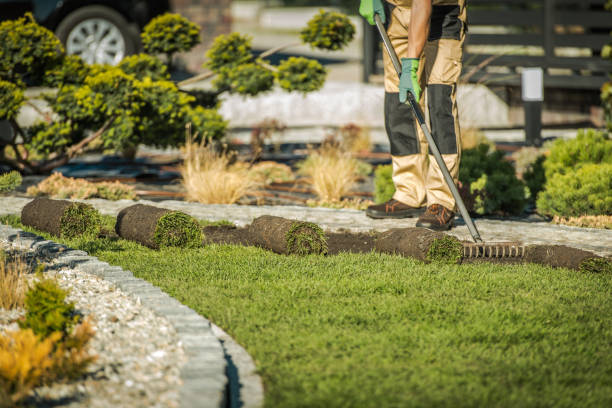
Landscaping design is more than just aesthetic—it plays a significant role in boosting the value of your property and enhancing its overall appeal. Whether you’re preparing to sell or simply want to enjoy a more beautiful outdoor space, a well-planned landscape can make all the difference.
Hardscaping not only adds texture but also increases functionality by creating defined spaces.
| Feature Type | Benefits | Examples |
| Hardscaping | Increases functionality; reduces upkeep | Stone walkways; paved patios |
| Native Plants | Low maintenance; eco-friendly | Wildflowers; region-specific shrubs |
| Outdoor Lighting | Enhances safety; adds ambiance | Solar pathway lights; LED spotlights |
| Water Features | Creates focal points; soothing effect | Waterfalls; koi ponds |
| Privacy Enhancements | Boosts comfort and security | Hedges; wooden fences |
A well-crafted landscape does more than beautify—it adds measurable financial and emotional value to any property. By focusing on strategic elements like hardscape features, native plants, lighting solutions, water accents, and privacy enhancements, you can transform any yard into an investment-worthy outdoor haven tailored perfectly for your needs.
Outdoor water features, such as fountains, ponds, and waterfalls, can significantly enhance the beauty and ambiance of your property. However, installing these features requires thoughtful planning to ensure they complement your landscape while being functional and sustainable. Here are five key factors to keep in mind before proceeding with your outdoor water feature installation.
The size and location of your outdoor water feature are critical considerations. Evaluate your available space carefully:
– Assess Scale: Select a water feature proportionate to the size of your yard. A small fountain may be lost in a large garden, while an oversized pond could overwhelm a compact space.
– Sunlight Exposure: Choose a location that supports the plants or aquatic life you may want to include in or around the feature. For example, certain aquatic plants thrive in partial sunlight rather than direct exposure.
– Accessibility: Ensure the feature is placed where it can be easily accessed for cleaning and maintenance without disrupting the rest of your landscape design.
Outdoor water features vary widely in cost depending on their complexity and materials used:
| Feature Type | Approximate Cost Range | Maintenance Costs |
|————————–|—————————–|——————-|
| Small Fountains | $500 – $2,500 | Low |
| Medium-sized Ponds | $2,000 – $15,000 | Moderate |
| Custom Waterfalls | $5,000 – $20,000+ | Moderate to High |
When creating your budget:
– Factor in not only installation costs but also long-term maintenance expenses for pumps, filters, or replacement parts.
– Consider energy-efficient pumps or solar-powered options to reduce ongoing operational costs.
An adequate water supply and proper drainage system are crucial for sustaining a functional water feature:
– Water Supply: Determine whether you’ll connect the feature to an existing plumbing line or rely on manual refilling options like rain capture systems. – Drainage System: Plan for effective drainage solutions to prevent standing water that could lead to pests like mosquitoes or damage surrounding landscaping due to overflows.
Regular upkeep is necessary to keep outdoor water features functioning optimally:
– Remove debris such as leaves or algae buildup that can clog filters or impact aesthetics. – Winterize features in regions with freezing temperatures by draining pumps and covering exposed components. – Choose low-maintenance designs if time is limited—for example, self-circulating fountains require less attention compared to larger ponds with fish.
Your chosen water feature should harmonize with the overall style of your property:
– For modern landscapes, opt for sleek designs like geometric fountains made from stainless steel or concrete. – Rustic settings pair well with natural stone waterfalls or koi ponds surrounded by native plants. – Use lighting strategically—submersible LED lights can highlight details at night while creating an inviting atmosphere.
By keeping these factors in mind during planning and installation, you can create a well-integrated outdoor water feature that enhances both functionality and visual appeal while aligning seamlessly with your unique landscaping goals.
Creating a stunning landscape design involves careful planning, creativity, and attention to detail. Whether you’re planning to transform your backyard into a relaxing oasis or elevate your property’s curb appeal, incorporating key features can make all the difference. Below are five essential elements to consider when designing a beautiful and functional outdoor space.
| Plant Type | Purpose | Example Species |
| Trees | Provide shade & structure | Maple, Oak |
| Shrubs | Add volume & screening | Boxwood, Hydrangea |
| Perennials | Seasonal color | Coneflower, Daylily |
By thoughtfully incorporating these essential features into your landscaping project, you can create an outdoor space that is not only visually stunning but also functional and sustainable over time.